· 2 min read
Quartet Voluté: The Website Is the Small Part
For Quartet Voluté, the public site wins the booking, but the private admin app behind it is what actually runs the quartet, from first quote to final invoice.
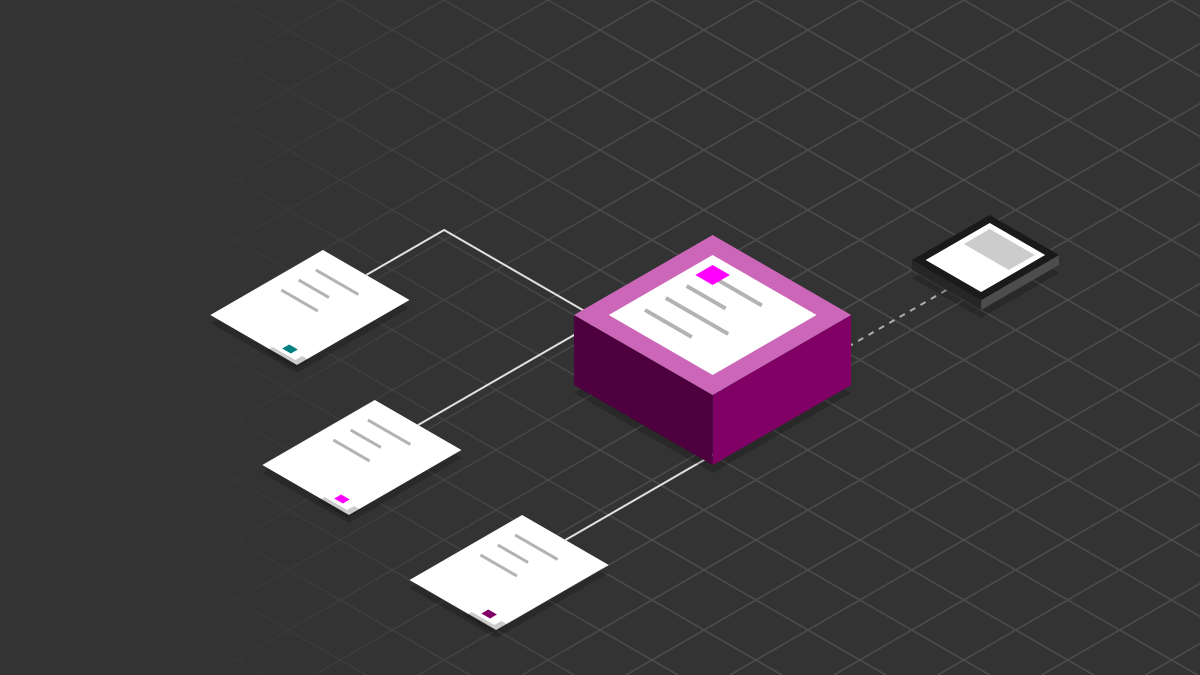
The shop window
Quartet Voluté is my string quartet. We play weddings, events and recording sessions. The public website is the part people see: big photography, a page for each kind of booking, audio and video, and an enquiry form.
It does its job well. But it's not what the business runs on. The site wins the booking; everything after someone says yes happens in a private admin app that only the team sees. Building that mattered far more than the shop window.
One gig, one record
Every booking becomes a gig in the admin app. It starts life as a quote, moves to confirmed once the client is happy, and finally to paid. Those few statuses drive the dashboard, the calendar and the badges that tell me what needs attention.
A gig holds everything about the day in one place: the client, the timings, the locations, the itinerary, the line-up, the set list and a shared list of tasks.
Paperwork from the gig itself
Most of the admin in a quartet is paperwork, and most paperwork is the same information typed out again. So the app generates it straight from the gig.
The contract is built from the gig's details, and the signed copy is stored back against it. Deposit and balance invoices work the same way, and once an invoice is created, its PDF is kept as a fixed snapshot, so what the client received never quietly changes if I edit the gig later.
The set list becomes a printed programme for the guests. The players get their own sheet with the line-up, itinerary and music. When the gig is done, everything is archived together.
Small rules, big savings
The rules that earn their keep are small ones. A gig is only flagged overdue once an invoice has actually passed its due date. The app won't generate a contract or invoice without an address on it. None of that would win a booking, but each one saves a chase, a reissue or an awkward email.
Takeaways
- The website gets the yes; the admin app delivers on it. For Quartet Voluté, everything after the enquiry lives in the tool the team uses every day.
- Generate the paperwork from one record. Contracts, invoices, programmes and player sheets all come from the same gig.
- Small, specific rules do the most work.